


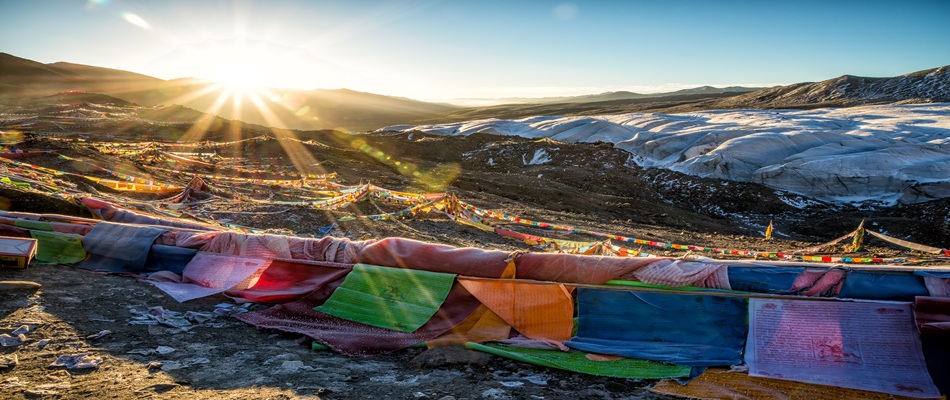
Zanskar is a remote and culturally rich region located in the southwestern part of the Kargil district in the union territory of Ladakh, India. It is known for its stunning mountainous landscapes in the Trans-Himalayan range and a unique Tibetan Buddhist cultural heritage. The administrative center of Zanskar is Padum.
It is home to several ancient monasteries such as Sani Monastery, Karsha Gompa, and Burdan Monastery, which feature traditional Buddhist architecture, ancient wall paintings, and religious artifacts.
The population of Zanskar is small, with about 13,793 people recorded in the 2011 census, primarily practicing Tibetan Buddhism with a few Sunni Muslims. The people speak the Zanskari language, written in the Tibetan script, and maintain traditional lifestyles that include cattle-rearing, farming, and polyandrous marriage customs to stabilize population growth.
Zanskar is famous for its breathtaking natural beauty—high mountains, alpine meadows with edelweiss and blue poppies, and diverse wildlife such as snow leopards, marmots, and the lammergeier. The region remains largely isolated, with tourism growing as a major influence on its economy and culture.
Tourists visit Zanskar mainly for trekking, cultural exploration, and experiencing the spiritual environment of its many monasteries. The best time to visit is between June and September due to milder weather. Zanskar’s remote location and fragile environment make it one of the last untouched microcosms of Tibetan Buddhist culture in India.